


-

Add: HeBei ShengShi HongBang Cellulose Technology CO.,LTD.
-

Email
13180486930@163.com -

CONTACT US
+86 13180486930
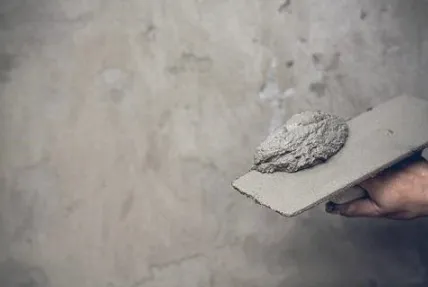


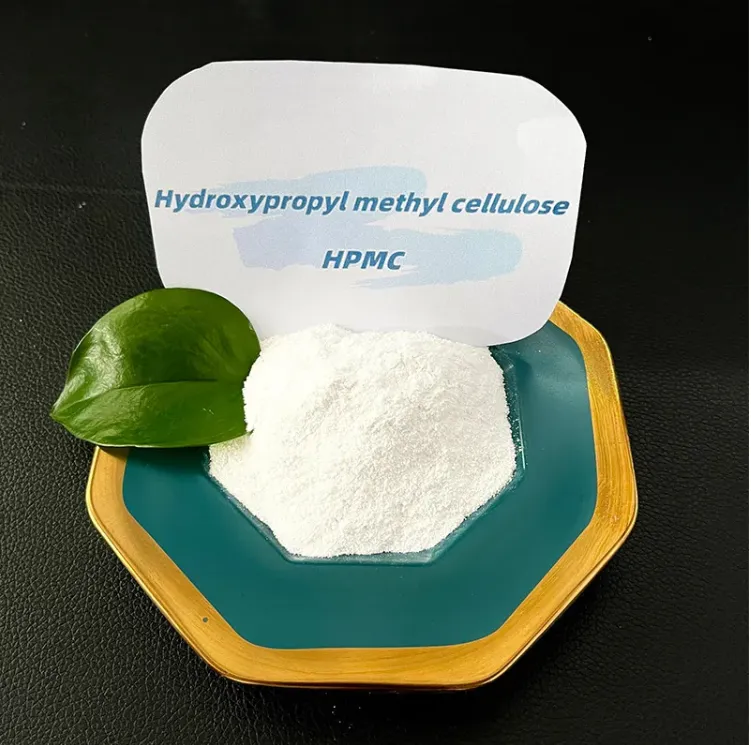
Hydroxypropyl methylcellulose (HPMC) has been a prominent player in the world of construction and pharmaceuticals owing to its versatile properties . The pricing landscape of HPMC can fluctuate due to several factors, crucial for businesses and stakeholders to understand for strategic decision-making. This article delves into the nuances of HPMC pricing while integrating real-world insights, professional knowledge, authority, and reliability. HPMC is celebrated for its multifunctionality, providing thickening, emulsifying, and stabilizing properties. These attributes render it indispensable in industries ranging from building materials to personal care products. The price of hydroxypropyl methylcellulose is influenced by raw material costs, production processes, and market demand, which are intertwined intricacies every professional should comprehend. Insights from Industry Experts Engaging with industry experts reveals that one of the pivotal factors affecting HPMC pricing is the cost of raw cellulose and the chemicals used in its etherification. Fluctuations in cellulose prices, often affected by agricultural conditions and supply chain disruptions, directly impact HPMC costs. In addition, energy prices carry weight in the pricing equation due to the energy-intensive process of producing HPMC, making it susceptible to global geopolitical situations that alter energy market dynamics. The Role of Market Demand Market demand plays a critical role in establishing HPMC prices. As more industries discover innovative applications for HPMC, the demand chain expands. For example, in construction, the escalating demand for sustainable and green building materials has intensified interest in HPMC due to its environmental benefits and role in reducing material waste. Additionally, the burgeoning pharmaceutical sector relies on HPMC as an excipient, further driving demand. hydroxypropyl methylcellulose price Authoritative Market Analysis An authoritative analysis of current market trends shows that China and India are significant production hubs for HPMC due to their abundant raw material resources and cost-effective production capabilities. Key players in these regions often have a significant influence on global pricing structures. Furthermore, regulatory changes concerning environmental policies in these countries can lead to shifts in production costs, consequently affecting international prices. Trustworthy Sources and Reports Relying on trustworthy market reports and data from established financial analytics firms provides deeper insights into pricing trends and forecasts. Recent reports indicate that prices have been moderately stable, with anticipated growth attributed to advancements in application technology and increasing environmental awareness among consumers. Strategic Recommendations Businesses relying on HPMC should adopt a strategic approach to mitigate price volatility risks. Diversifying supply sources, investing in local production facilities, and adopting alternative technological methods are potential strategies to achieve cost efficiency and stable pricing. Moreover, maintaining transparent relationships with suppliers can foster mutual trust and facilitate better negotiated pricing. In conclusion, understanding the pricing structure of hydroxypropyl methylcellulose involves an intricate blend of raw material costs, market demand dynamics, and regional economic policies. For businesses in construction, pharmaceutical, and beyond, a forward-thinking strategy backed by expert insight and authoritative data sources can ensure effective management of costs associated with this essential compound.
- 40000tons

Production
- 20+years

Experience
- 5000+㎡

Acreage

-
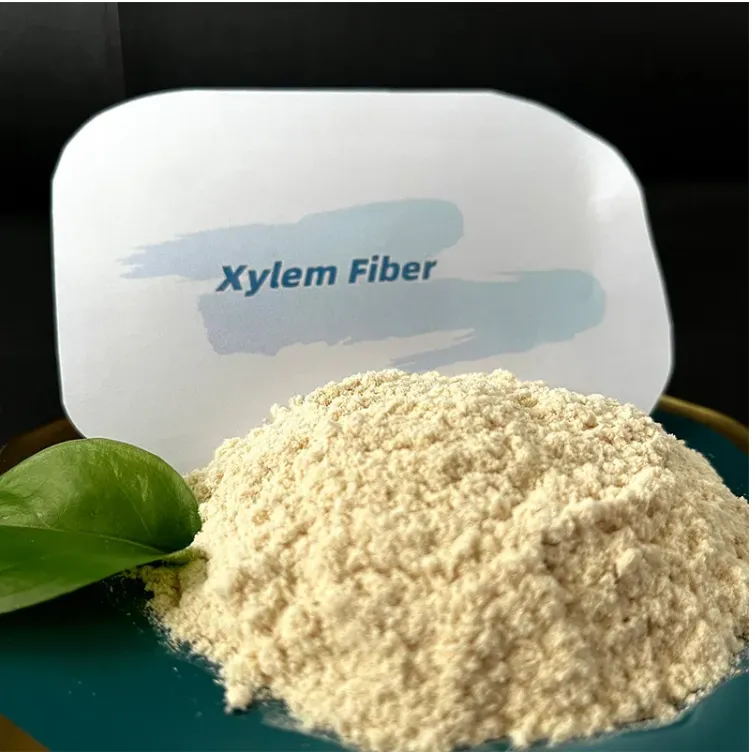
HPMC (Hydroxypropyl Methylcellulose) là một polymer bán tổng hợp, có khả năng hòa tan trong nước, được sử dụng rộng rãi trong nhiều ngành công nghiệp, bao gồm thực phẩm, dược phẩm, mỹ phẩm và vật liệu xây dựng. Với việc chú trọng vào các tiêu chí E-E-A-T (Experience, Expertise, Authoritativeness, Trustworthiness), bài viết này sẽ cung cấp cái nhìn sâu sắc về các cấp độ (grades) của HPMC và cách chúng có thể đáp ứng nhu cầu của các ngành công nghiệp khác nhau. Một trong những yếu tố quan trọng nhất khi lựa chọn HPMC là sự đa dạng của các cấp độ, mỗi cấp độ được thiết kế để đáp ứng các nhu cầu cụ thể. Các cấp độ của HPMC được phân loại dựa trên độ nhớt, mức độ polymer hóa và thành phần hóa học. Độ nhớt của HPMC có thể dao động từ rất thấp đến rất cao, tương ứng với khả năng tạo độ dày hoặc ổn định của sản phẩm cuối cùng. Khả năng điều chỉnh độ nhớt làm cho HPMC trở thành lựa chọn lý tưởng cho các ứng dụng như chất làm đặc, chất ổn định trong mỹ phẩm, hoặc tá dược trong ngành dược phẩm. Kinh nghiệm sử dụng HPMC trong các ngành công nghiệp cho thấy rằng sự lựa chọn cấp độ phù hợp là cần thiết để tối ưu hóa hiệu suất sản phẩm. Ví dụ, trong ngành dược phẩm, HPMC được đánh giá cao trong việc sản xuất thuốc viên giải phóng theo thời gian. Với các cấp độ có độ nhớt cao, HPMC có thể tạo ra một lớp màng bao bên ngoài viên thuốc, đảm bảo thuốc được phát hành từ từ qua thời gian, cải thiện hiệu quả điều trị và giảm tác dụng phụ. Về mỹ phẩm, HPMC giúp cải thiện độ ổn định và cảm giác trên da của sản phẩm . Các cấp độ HPMC thấp thường được sử dụng trong các sản phẩm dưỡng ẩm và serums để tạo kết cấu mượt mà và dễ thẩm thấu. Sự linh hoạt của HPMC trong việc hình thành các loại gel và dung dịch giúp tăng cường cảm giác mềm mịn khi bôi sản phẩm lên da, tạo ra trải nghiệm người dùng tích cực. HPMC như các cấp Trong xây dựng, HPMC được sử dụng như một phụ gia cải thiện khả năng chống nước và độ bền của vữa. Các cấp độ có độ nhớt cao là lựa chọn hàng đầu trong việc cải thiện những đặc tính này, vì chúng tạo ra một mạng lưới polymer mạnh mẽ, chống thấm và chịu lực tốt. Điều này không chỉ giúp kéo dài tuổi thọ của các công trình xây dựng mà còn giảm thiểu chi phí bảo trì. Sự uy tín và tính chuyên môn khi sử dụng HPMC trên toàn cầu được củng cố qua nhiều nghiên cứu và báo cáo kỹ thuật. Các nhà khoa học và chuyên gia công nghiệp đã tiến hành nhiều thí nghiệm và phân tích để xác nhận tính hiệu quả và an toàn của HPMC ở các cấp độ khác nhau. Sự tin tưởng vào HPMC đến từ việc nó được kiểm nghiệm qua thời gian, và được chấp thuận bởi nhiều cơ quan kiểm định chất lượng quốc tế. Tính đáng tin cậy của HPMC cũng được thể hiện qua khả năng tái tạo và an toàn với môi trường. Được sản xuất từ cellulose thực vật, HPMC không chỉ bền vững mà còn an toàn, không gây nguy hại cho con người và hệ sinh thái. Điều này tạo ra sự hấp dẫn cho các công ty quan tâm đến phát triển bền vững. Có thể thấy, sự thấu hiểu sâu sắc về các cấp độ khác nhau của HPMC và ứng dụng phù hợp không chỉ tăng cường hiệu suất sản phẩm mà còn tạo ra giá trị lâu dài cho cả doanh nghiệp và người tiêu dùng. Sự kết hợp giữa trải nghiệm thực tế và kiến thức chuyên sâu chính là yếu tố quan trọng đưa HPMC trở thành lựa chọn hàng đầu trong nhiều ngành công nghiệp.
-

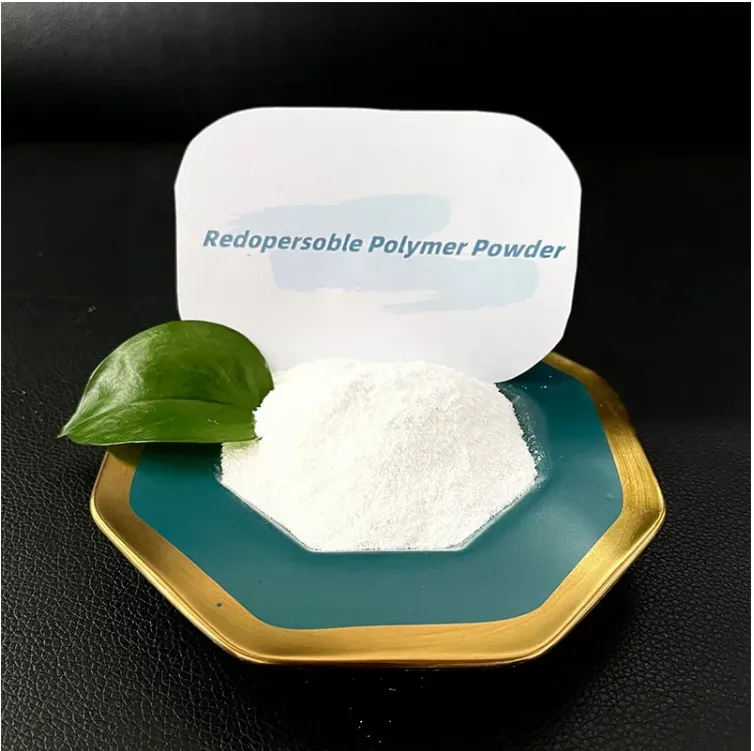
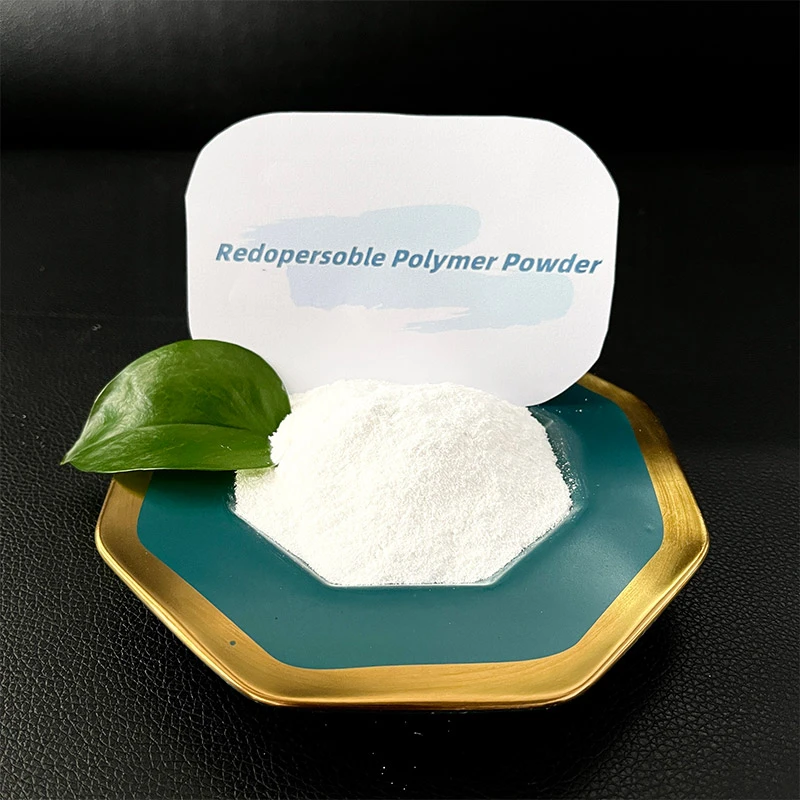
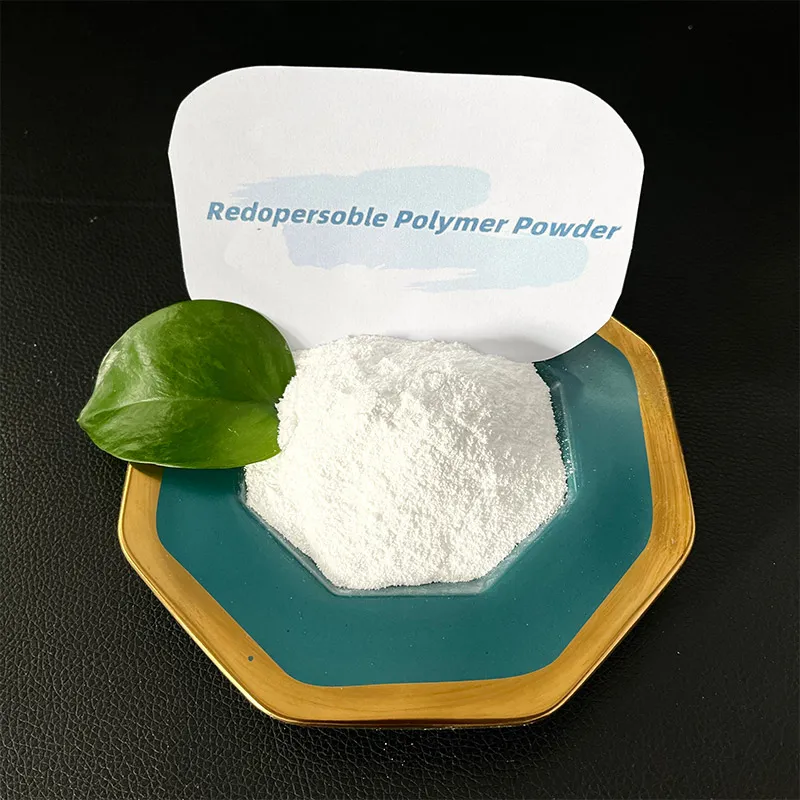
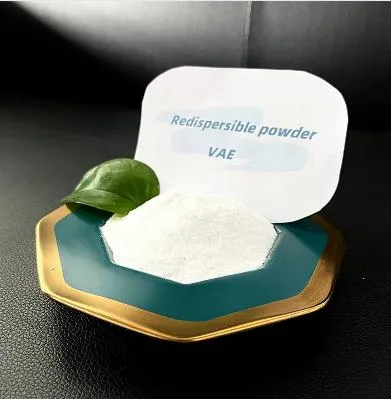
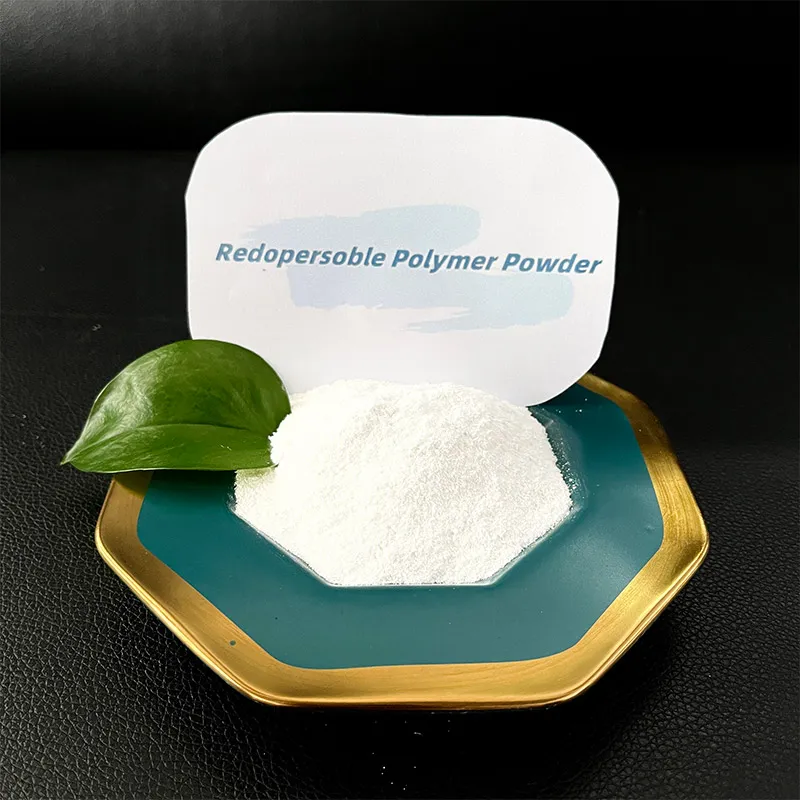
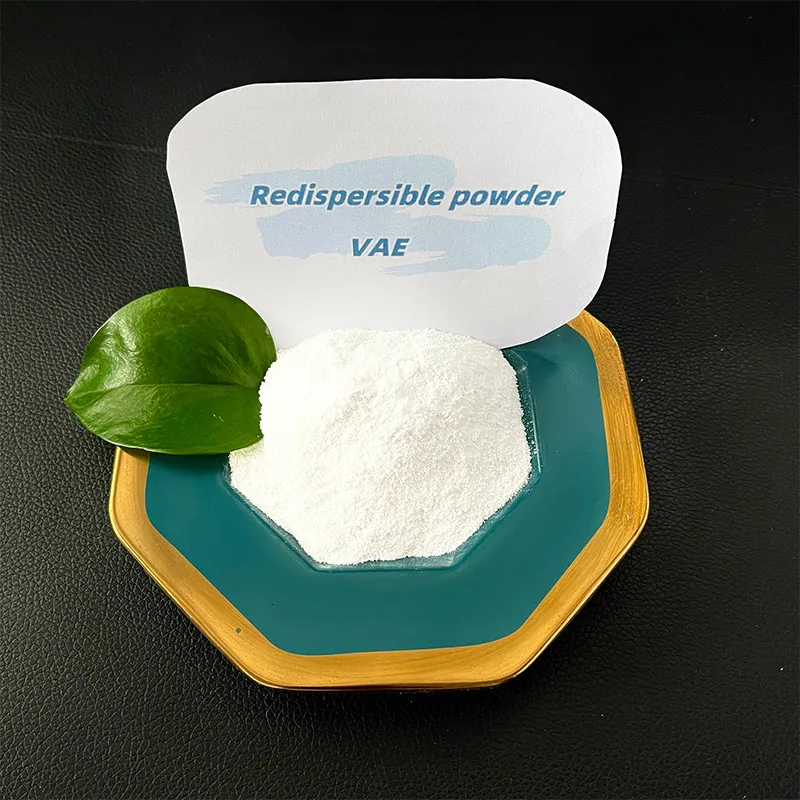
The construction industry is continuously evolving, with new innovations and materials that help improve the quality and durability of structures. Among these innovations is redispersible emulsion powder , a crucial ingredient in modern construction materials. It plays a significant role in enhancing the performance of cement-based products, making them more effective and reliable. This versatile powder is commonly used in applications such as tile adhesives, plasters, self-leveling floors, and repair mortars. It adds exceptional flexibility, adhesion, and durability to these materials, allowing them to withstand the stresses of daily use and harsh environmental conditions. In this article, we will dive deeper into the world of redispersible emulsion powder , examining its characteristics, advantages, and why it has become a key player in the construction industry. We will also explore the process of choosing the right redispersible polymer powder manufacturers , factors influencing polymer powder price , and more. What is Redispersible Emulsion Powder? Redispersible emulsion powder is a fine, white powder made from a polymer emulsion. It is produced by drying the polymer emulsion into a powder form, which can easily be mixed with water to rehydrate and return to its original emulsion state. Once mixed with water, it redisperses, providing excellent bonding properties, flexibility, and water resistance to cement-based mixtures. This ability to reform a stable polymer dispersion makes it an essential ingredient in construction products. The use of redispersible emulsion powder can be seen in a variety of applications, particularly in the creation of adhesives and coatings. In tile adhesives, for example, it helps create a strong bond between the tile and the substrate, reducing the risk of tiles coming loose. In exterior plaster and facade coatings, it provides water resistance and flexibility, which is essential for withstanding environmental stresses such as wind, rain, and UV exposure. The powder is especially important in self-leveling floor systems, where it enhances the material's workability, ensuring it spreads easily and bonds securely to the substrate. Additionally, redispersible emulsion powder is commonly used in repair mortars for its superior adhesion to old concrete and other surfaces. Advantages of Using Redispersible Emulsion Powder The widespread use of redispersible emulsion powder in construction materials is due to its many advantages. One of its most significant benefits is its ability to improve the bonding of cement-based mixtures to a variety of surfaces. The polymer powder significantly enhances the adhesive strength of the materials, reducing the likelihood of peeling, delamination, or failure, especially in high-stress areas. Another key advantage is the improvement in flexibility. The polymer powder enhances the flexibility of construction materials, which is particularly beneficial for areas that experience movement or stress, such as floors and facades. This added flexibility helps to prevent cracks, ensuring that the materials last longer and maintain their integrity over time. In addition to flexibility, redispersible emulsion powder also provides better water resistance. This is especially important in exterior applications or areas exposed to high moisture levels. For example, in tile adhesives or exterior plasters, the polymer powder reduces water absorption and improves the longevity of the material. The powder also improves the workability of construction mixtures, making them easier to apply and spread over surfaces. The ability to adjust the consistency of the mixture with the addition of redispersible emulsion powder allows for smoother applications and better finishing results. Lastly, the cost-effectiveness of redispersible emulsion powder makes it an attractive option for construction projects. While it enhances the performance of the materials, it is still relatively affordable compared to other polymer additives, offering excellent value for the quality it provides. Choosing the Right Redispersible Polymer Powder Manufacturers When selecting a redispersible polymer powder manufacturer , it is essential to choose a reputable and reliable supplier. The quality of the product you use will directly affect the performance of your construction materials. Here are some key factors to consider when choosing a manufacturer: First and foremost, product quality should be your top priority. Choose a manufacturer who adheres to strict quality control measures to ensure the consistency and reliability of their products. High-quality polymer powders lead to better-performing construction materials, reducing the chances of failures or defects during construction. In addition to quality, consider the manufacturer’s ability to provide consistent supply and timely deliveries. Construction projects often have tight timelines, and delays in material delivery can impact the overall project schedule. A manufacturer with a solid track record of on-time delivery and sufficient stock can help you avoid project delays. It is also important to choose a manufacturer who is committed to innovation and research. New formulations and advancements in technology can improve the performance of redispersible polymer powders , offering enhanced characteristics like better water resistance, lower viscosity, or quicker curing times. A manufacturer focused on innovation will provide you with products that meet the latest industry standards and trends. Another crucial factor to consider is the level of customer support the manufacturer offers. Good customer service ensures that you can get the answers you need, whether it’s technical assistance or help with product selection. A knowledgeable and responsive support team can make a significant difference when you need advice on using the product in specific applications. Finally, the price of the product is a crucial consideration. While redispersible polymer powders are relatively cost-effective, prices can vary between manufacturers. It’s important to balance quality with cost, ensuring that you get the best value for your budget. Understanding the Polymer Powder Price The polymer powder price is an important factor for construction professionals when selecting materials for a project. The price of redispersible polymer powder can vary depending on several factors. One of the primary determinants of price is the cost of raw materials. The quality and availability of the raw materials used to produce the polymer can impact the overall price of the powder. The production process also plays a role in determining the price. Manufacturers who use advanced equipment and technologies may produce polymer powders that have enhanced performance characteristics. While these products might come at a higher price, they often offer superior qualities, such as better flexibility, adhesion, or water resistance, which can be valuable in certain applications. Market demand is another significant factor that influences the price of polymer powders. During peak construction seasons, when demand for building materials is high, the price of redispersible polymer powder may increase. Conversely, during off-seasons, manufacturers may lower prices to remain competitive in the market. Shipping and packaging costs can also affect the price. Bulk orders typically come at a lower cost per unit compared to smaller orders, as they reduce the need for extensive packaging and transportation logistics. Selecting the Right Polymer Powder for Your Project Selecting the right redispersible polymer powder for your construction project is crucial for achieving the desired results. Not all polymer powders are the same, and each formulation has its unique characteristics. Factors such as environmental conditions, the type of substrate, and the specific performance requirements of your application will all influence the type of polymer powder you choose. When working on a project exposed to moisture or harsh weather conditions, you will need a polymer powder that offers excellent water resistance. For applications like exterior plaster or tile adhesives, this is especially important to prevent the material from weakening over time due to water absorption. Consider the type of surface you are working with as well. For porous surfaces, such as concrete, a polymer powder with strong adhesive properties will help ensure a solid bond. For smoother surfaces, such as tiles, look for a polymer that enhances the workability and ease of application. Understanding the performance properties of the polymer powder is also essential. Depending on your project, you may need a product that offers enhanced flexibility, faster drying times, or improved adhesion. Be sure to evaluate your specific needs before selecting the right polymer powder for your application. Redispersible polymer powder FAQs What is redispersible emulsion powder used for in construction? Redispersible emulsion powder is used to enhance the performance of cement-based materials. It is commonly added to tile adhesives, plasters, repair mortars, and other construction products to improve bonding, flexibility, water resistance, and workability. How do I choose a redispersible polymer powder manufacturer? To choose a reliable manufacturer, look for a company with a strong reputation for product quality, consistency, and on-time delivery. It’s also important to consider the manufacturer’s innovation in product development and the level of customer support they provide. Why does the polymer powder price vary? The price of polymer powder varies due to factors such as raw material costs, production methods, market demand, packaging, and shipping. Higher-quality powders with additional performance characteristics may be priced higher than standard options. Can redispersible emulsion powder be used for exterior applications? Yes, redispersible emulsion powder is highly effective for exterior applications. It improves the water resistance and flexibility of exterior plasters and coatings, making them more durable in harsh weather conditions. What are the key benefits of using redispersible polymer powder in construction materials? The key benefits include enhanced adhesion, improved flexibility, water resistance, and better workability. These qualities help ensure the durability and longevity of construction materials, especially in demanding applications.
advantages
-

200000 Viscosities
Excellent product
We can produce pure products up to 200,000 viscosities
-

40000 tons
High yield
We don’t stop production all year round, and the annual output can reach 40,000 tons
-

24 hours
Quality service
We provide 24-hours online reception service, welcome to consult at any time
———— Inquiry Form
Schedule A services
- hydroxypropyl_methylcellulose_inci
Oct . 25, 2025
Understanding HPMC and Its Melting Point Characteristics Hydroxypropyl Methylcellulose (HPMC) is a v -
 vinyon_fiber
Oct . 25, 2025
Retained eye comfort is often a top priority for individuals dealing with dry eyes. Among the myriad -
 metal_fiber_concrete
Oct . 25, 2025
Understanding Cellulose in Wood Cellulose is a vital organic polymer that plays a crucial role in th


